Monarch Watch Update April 2023
30 April 2023 | Author: Jim LovettThis newsletter was recently sent via email to those who subscribe to our email updates. If you would like to receive periodic email updates from Monarch Watch, please take a moment to complete and submit the short form at monarchwatch.org/subscribe/
Greetings Monarch Watchers!
A brief update this time around – hope you are starting to see monarchs in your area or see them soon! We spotted the first monarch in Monarch Waystation #1 in Lawrence, Kansas on April 18th; the worn female was busy finding all the emerging common milkweed shoots to lay eggs on 🙂
Included in this issue:
1. Monarch Watch Open House & Spring Plant Fundraiser
2. Monarch Population Status —by Chip Taylor
3. Monarch Tag Recoveries from Mexico
4. Monarch Calendar & Directional Flight Projects
5. Monarch Waystations
6. About This Monarch Watch List
1. Monarch Watch Open House & Spring Plant Fundraiser
It’s here! Our annual Spring Plant Fundraiser is now online at https://spring.monarchwatch.org and we have thousands of plants looking for good homes. We are once again offering online ordering and curbside pickup (or limited local delivery) for this event. To place an order you must live in, or be willing to travel to, LAWRENCE, KANSAS (we cannot ship). These plants are ideal for starting butterfly gardens or adding to established gardens and can contribute to the health of monarch and pollinator populations. Don’t miss out and be sure to take advantage of our “Buy 10 Plants, Get 1 Free” offer!
A complete list of plants and online ordering is available via the link below and pickup appointments are being scheduled for May 10, 11 & 13.
Monarch Watch Spring Plant Fundraiser: https://spring.monarchwatch.org
We are also having an in-person component of our Spring Open House & Plant Fundraiser on Saturday, May 13th. This will be a primarily outdoor event and there will be tours of our gardens, games, activities, monarch butterflies, caterpillars, and lots of butterfly plants available for your own garden! Complete details at https://monarchwatch.org/openhouse
If you are not able to participate locally, we invite you to contribute to this annual fundraiser by donating to Monarch Watch via https://monarchwatch.org/donate
Thank you!
2. Monarch Population Status —by Chip Taylor
A few notes on the development of the eastern and western monarch populations as of 20 April 2023.
Eastern monarch population
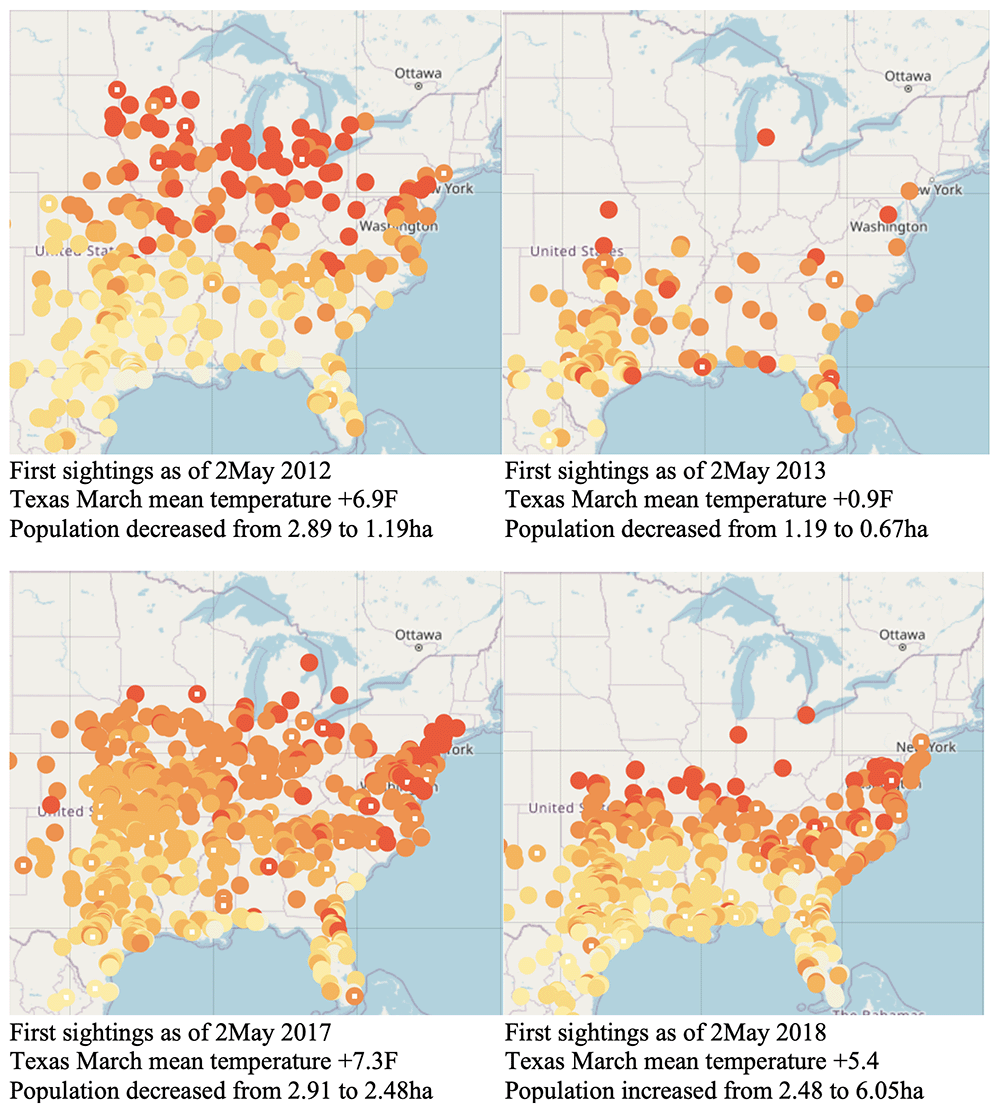
The Journey North program ( https://journeynorth.org ) has been recording monarch first sightings for 23 years. It’s an awesome record with a number of uses. Out of curiosity to see how first sighting this year in NE Kansas compared with other years, I skimmed through those records. This year the first monarch to appear in the Topeka, Lawrence, Kansas City area was spotted on the 10th. That is early and by the 18th there were a number of sightings. Checking the records revealed that more than one sighting by the 18th of April has only occurred in 7/23 years. In other words, the number of monarchs to reach our area is so few in most years that we simply don’t encounter them, or they may not even be this far north.
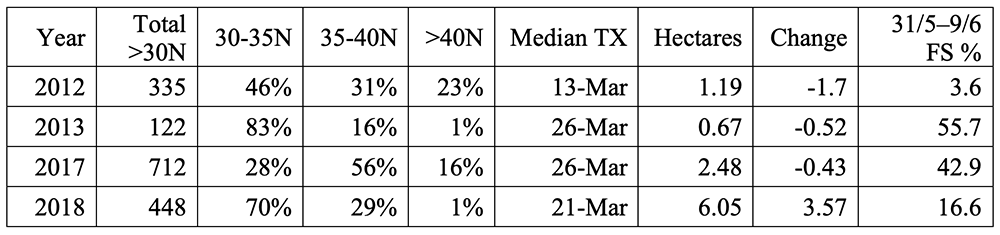
While I have been watching the first sightings accumulate in space and time this year, I’m finding it difficult to assess what the data mean. The numbers for Texas are down. That could mean the population is down, with fewer returnees or it could mean that monarch activity was low due to cool weather so fewer were seen. The latter seems possible since I’ve seen a number of reports by observers that mention the sightings of many monarchs over time or on single outings. While some of the monarchs arrived ahead of the emergence of milkweeds in some areas, it appears that the majority of eggs laid by returning monarch were laid in Texas, where due to slightly warmer temperatures, the larvae will develop faster than if the eggs were laid further north. I’ll need to look more closely at the data, but overall, the colonization by the returning monarchs fits a common pattern and there is no reason for concern at this time.
Western monarch population
The population rebound over the last two years in the West has been remarkable. The numbers counted at all known overwintering sites last November exceeded 335K. This was the largest population recorded since 2000 – a mere 22 years. How is that possible, and what does it mean for the future? Can we expect similar numbers or even more monarchs in November 2023? Probably not. The population is certain to be lower for a number of reasons, but how much lower and where will the monarchs originate from that reach the overwintering sites?
The western population development, like that of the east, is largely driven by the weather. So, the immediate question is are the weather patterns from last November to the present similar to any year in the past and the answer is yes. The winter and spring of 2006 in California was cold, though not as wet, as that of 2023. The temperature patterns were quite similar. Statewide the three-month interval from January through March was the coldest since 1955 and one of the wettest as well with many strong storms. These conditions had to take a toll on the overwintering monarchs and certainly reduced the number of females available to begin egg laying as the weather warmed, but when did that begin? In most years, especially recently, mating and reproduction begin by mid-March and sometimes earlier. This year the mean temperatures for March were 44.2F vs 44.0F for 2006. These were the 4th and 5th coldest March temperatures in the record that goes back to 1895. April started out cool in both years with temperature increasing in the last 10 days of the month (based on the 10-day forecast for this year). So, given these extreme conditions, how much reproduction has been possible to date this year? There are no data on this point.
Again, looking to 2006, at the end of the migration the count was over 200K. Will the numbers reach 200k this year. Maybe, but I’m skeptical. In most years, first generation monarchs would begin emerging in the next week and would begin moving into the Sierra foothills and beyond into Nevada and the inner mountain west. Some would begin moving in May toward the NW as well. Movement out of California looks to be limited for some time due to cold conditions in both the Sierras and to the north. If these conditions continue, most of the overwintering monarchs in November will have originated from California. This was first suggested by Paul Cherubini, a long-term observer of monarchs in the west, in a post to the Western Monarchs email list ( https://groups.io/g/WesternMonarchs ) on 5 April. Paul maintains that the population could “produce an overwintering population roughly as large as the past two winters”. That would surely be an interesting outcome.
3. Monarch Tag Recoveries from Mexico
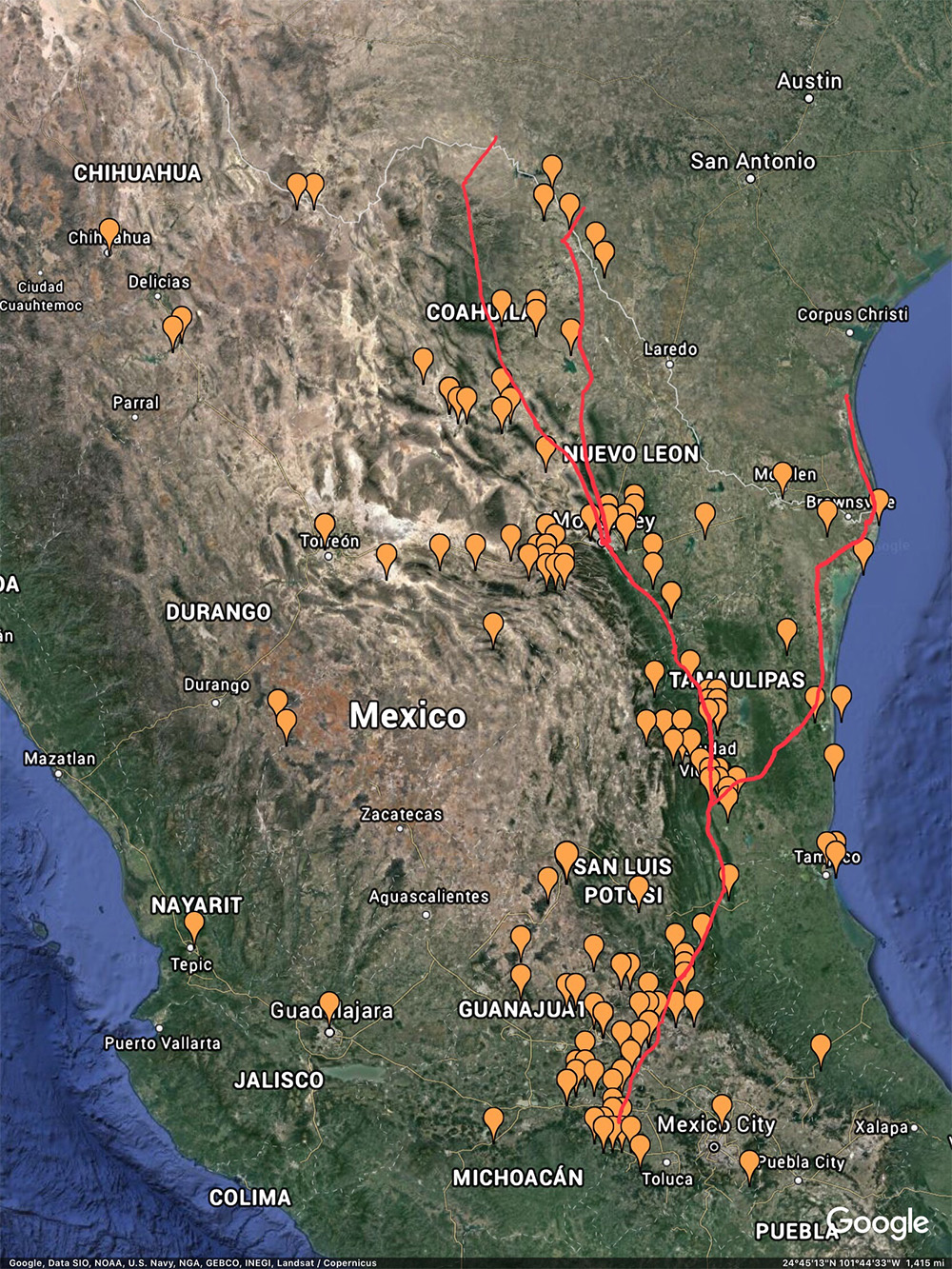
More than 360 Monarch Watch tags were recovered from monarch overwintering sites in central Mexico during the 2022 tagging season. All of the tags have been examined and the “Tag recoveries from central Mexico” list has been updated. By default, this list is sorted by the report season then by tag code and now includes over 21,000 records.
Get out your tag codes and check out the updated list 🙂
Monarch Watch tag recoveries: https://monarchwatch.org/tagrecoveries
As a reminder, it is never too late for data so if you have not yet submitted your records, please do so at your earliest convenience via https://monarchwatch.org/tagging
Thank you to everyone who tagged monarchs in 2022 and also those who assisted with the recovery efforts!
4. Monarch Calendar & Directional Flight Projects
For those of you that are participating in our Monarch Calendar or Directional Flight projects, an email will be sent to everyone who has registered at the end of the observation periods with instructions to submit data. If you have not yet registered or would like more information about these projects, please see the links below.
Monarch Calendar Project: https://monarchwatch.org/calendar
Directional Flight Project: https://monarchwatch.org/directional-flight
5. Monarch Waystations
To offset the loss of milkweeds and nectar sources we need to create, conserve, and protect monarch butterfly habitats. You can help by creating “Monarch Waystations” in home gardens, at schools, businesses, parks, zoos, nature centers, along roadsides, and on other unused plots of land. Creating a Monarch Waystation can be as simple as adding milkweeds and nectar sources to existing gardens or maintaining natural habitats with milkweeds. No effort is too small to have a positive impact.
Have you created a habitat for monarchs and other wildlife? If so, help support our conservation efforts by registering your habitat as an official Monarch Waystation today!
Monarch Waystation Program: https://monarchwatch.org/waystations
A quick online application will register your site and your habitat will be added to the online registry. You will receive a certificate bearing your name and your habitat’s ID that can be used to look up its record. You may also choose to purchase a metal sign to display in your habitat to encourage others to get involved in monarch conservation.
As of 26 April 2023, there have been 42,680 Monarch Waystation habitats registered with Monarch Watch! Texas holds the #1 spot with 3,558 habitats and Illinois (3,270), Michigan (3,128), California (2,790), Ohio (2,226), Florida (2,213), Pennsylvania (1,877), Virginia (1,864), Wisconsin (1,842), and New York (1,384) round out the top ten.
You can view the complete Monarch Waystation Registry and a map of approximate locations via https://monarchwatch.org/waystations/registry
6. About This Monarch Watch List
Monarch Watch ( https://monarchwatch.org ) is a nonprofit education, conservation, and research program affiliated with the Kansas Biological Survey & Center for Ecological Research at the University of Kansas. The program strives to provide the public with information about the biology of monarch butterflies, their spectacular migration, and how to use monarchs to further science education in primary and secondary schools. Monarch Watch engages in research on monarch migration biology and monarch population dynamics to better understand how to conserve the monarch migration and also promotes the protection of monarch habitats throughout North America.
We rely on private contributions to support the program and we need your help! Please consider making a tax-deductible donation. Complete details are available at https://monarchwatch.org/donate or you can simply call 785-832-7386 (KU Endowment Association) for more information about giving to Monarch Watch.
If you have any questions about this email or any of our programs, please feel free to contact us anytime.
Thank you for your continued interest and support!
Jim Lovett
Monarch Watch
https://monarchwatch.org
You are receiving this mail because you were subscribed to the Monarch Watch list via monarchwatch.org or shop.monarchwatch.org – if you would rather not receive these periodic email updates from Monarch Watch (or would like to remove an old email address) you may UNSUBSCRIBE via https://monarchwatch.org/unsubscribe
If you would like to receive periodic email updates from Monarch Watch, you may SUBSCRIBE via https://monarchwatch.org/subscribe
This e-mail may be reproduced, printed, or otherwise redistributed as long as it is provided in full and without any modification. Requests to do otherwise must be approved in writing by Monarch Watch.
Filed under Email Updates | Comments Off on Monarch Watch Update April 2023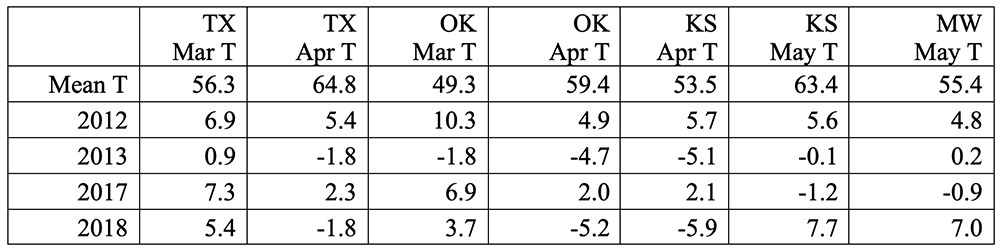

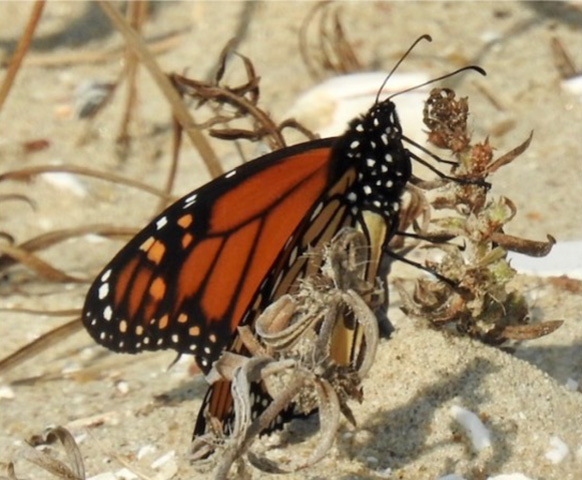
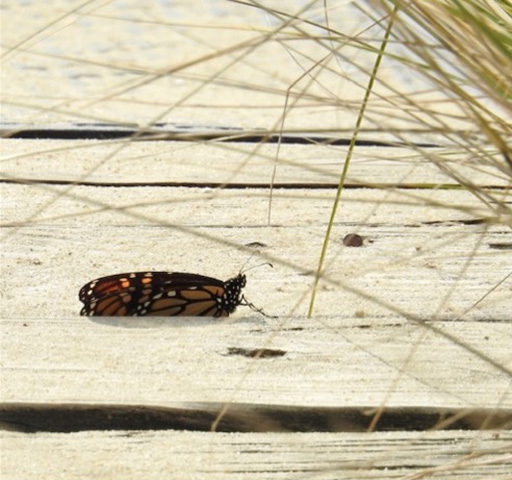
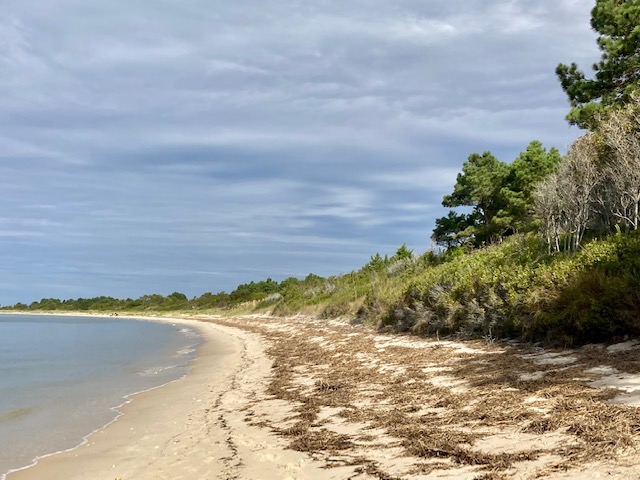
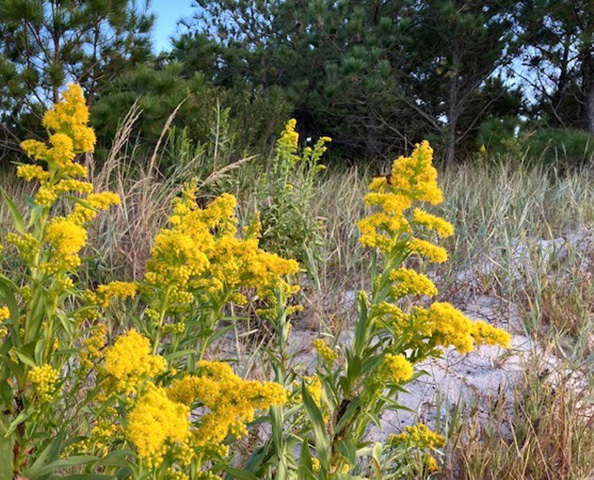
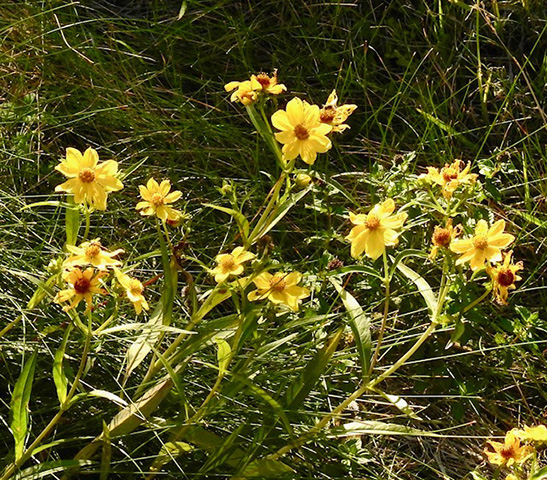
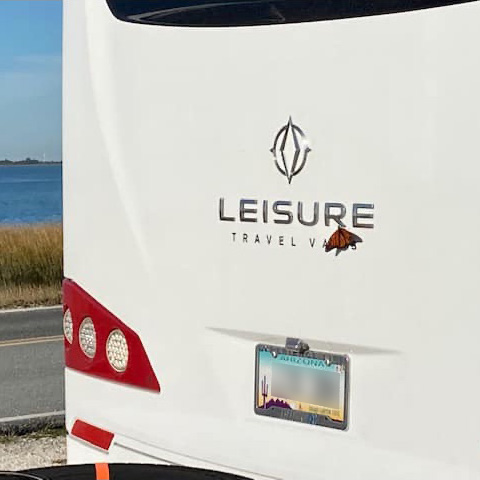 Past years’ wet fields and ditches of Bur-marigold (Bidens laevis) were dry and barren this year. The rains came too late for them, but boosted the blooms of Seaside goldenrod (Solidago sempervirens), which were already late in opening their flowers. The first big wave of migrating Monarchs had to fly further inland from their migratory path along the beach to find the other two species of goldenrod that were in bloom: Slender and Grass-leaved. Groundsel-tree (Baccharis halimifolia) was beginning its bloom and was utilized by migrating Monarchs as well. As usual at CNWR, the wind was variable, and on most days the Monarchs flew (constantly flapping) in less-than-ideal winds. They stopped often to rest in places protected from the wind. Beach parking was limited after the hurricane removed all the public parking lots, so we had to park Swan along the narrow, exposed causeway. This proved to be fortunate for the Monarchs, because they used the vehicle as a wind block and as a place to rest (see photo).